As we step further into 2025, the nonprofit sector in the United States is increasingly turning to technology to address challenges, improve efficiency, and maximize impact. Software solutions are evolving rapidly to meet the unique needs of organizations, from donor management to program execution. Here, we explore key predictions for the future of nonprofit software, offering insights into how these tools will transform operations and empower missions.
Unlocking New Possibilities with AI Nonprofit Software
1. Increased Adoption of AI and Machine Learning
Artificial intelligence (AI) and machine learning (ML) are no longer just buzzwords; they are becoming integral to modern software. AI-powered tools will help organizations analyze donor behavior, predict funding trends, and personalize communication. For example, predictive analytics can identify high-potential donors or forecast the success of campaigns, enabling nonprofits to allocate resources more effectively.
Chatbots driven by AI are also expected to enhance donor engagement by providing instant responses to FAQs and guiding users through donation processes. Moreover, AI nonprofit software can assist in program management by analyzing data to identify areas for improvement and measuring program outcomes more accurately.
LiveImpact is at the forefront of this trend, leveraging AI and ML to provide nonprofits with actionable insights and tools that simplify donor engagement and enhance operational efficiency. Its advanced analytics and personalized engagement capabilities empower nonprofits to focus on their mission while staying ahead of the curve.
2. Enhanced Focus on Data Security and Privacy
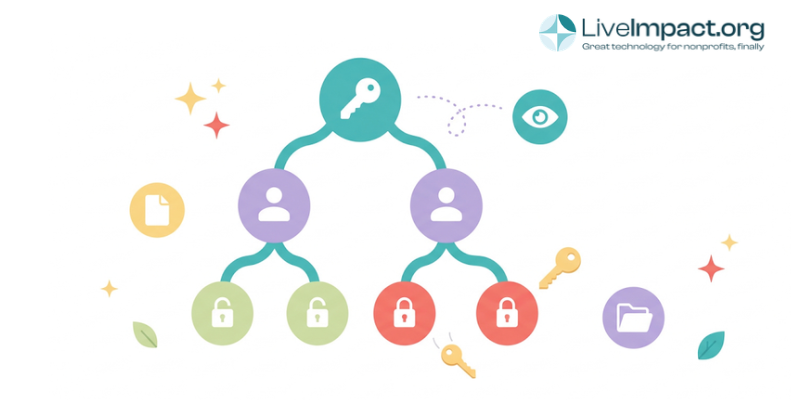
With data breaches becoming more common, nonprofits in the United States will prioritize software that ensures robust security and compliance with regulations like GDPR, HIPAA, and others. In 2025, software providers are expected to offer advanced encryption, two-factor authentication, and real-time threat detection to protect sensitive donor and beneficiary information.
Nonprofit leaders will also demand transparency from the best nonprofit software vendors about data storage and usage. Ethical data practices will not only safeguard information but also strengthen trust among donors and stakeholders.
LiveImpact emphasizes top-tier data security by adhering to industry standards and offering robust security measures that protect nonprofit data. Its transparent practices and real-time monitoring build trust and provide peace of mind for organizations.
3. Comprehensive Integration Capabilities
The future of software for nonprofits lies in seamless integration. Organizations will seek solutions that can connect with existing tools such as CRMs, fundraising platforms, email marketing software, and accounting systems. Unified data streams will eliminate silos, giving nonprofits a holistic view of operations.
API-driven platforms will lead the way, enabling nonprofits to customize workflows and share data across applications effortlessly. This interoperability will save time, reduce errors, and improve decision-making by providing access to real-time, centralized information.
4. Greater Emphasis on Mobile Accessibility
As mobile devices dominate the tech landscape, modern software will increasingly prioritize mobile accessibility. Staff, volunteers, and donors will expect to interact with platforms from smartphones and tablets without compromising functionality.
Mobile-friendly nonprofit software will empower field workers to update case records, track donations, and communicate with team members in real time. Donors, too, will benefit from mobile-optimized experiences, such as simplified donation pages and event registration forms. Mobile apps tailored for nonprofits will further enhance productivity and engagement.
LiveImpact’s mobile-first approach ensures that nonprofits can stay connected and productive on the go, offering seamless experiences for both staff and donors through its mobile-optimized tools.
5. Personalized Donor Engagement Tools
Donor retention is a top priority for nonprofits in the United States, and personalized engagement will be key going forward. Software solutions will leverage data analytics and AI to deliver tailored communication based on donor preferences, history, and interests. Automation will enable nonprofits to send timely thank-you notes, impact reports, and updates, fostering stronger relationships with supporters.
Additionally, gamification features like leaderboards, milestones, and rewards will make giving a more interactive and rewarding experience. As a result, AI nonprofit software will further help nonprofits build a loyal donor base and boost recurring contributions.
LiveImpact excels in delivering personalized engagement solutions, helping nonprofits connect with donors on a deeper level. By utilizing its advanced tools, organizations can foster long-term relationships and drive donor satisfaction.
6. Cloud-First Nonprofit Software Solutions
Cloud computing has been steadily gaining traction, and in 2025, it will dominate modern software. Cloud-based platforms offer scalability, cost-effectiveness, and remote accessibility, making them ideal for organizations of all sizes. Nonprofits will appreciate the ability to store and access data securely from anywhere, facilitating collaboration among distributed teams.
The flexibility of cloud solutions will also allow nonprofits to adapt quickly to changing circumstances, such as scaling operations during emergencies or launching new programs. Automatic updates and minimal IT maintenance are additional benefits of the best nonprofit software that will drive adoption.
7. Focus on Impact Measurement
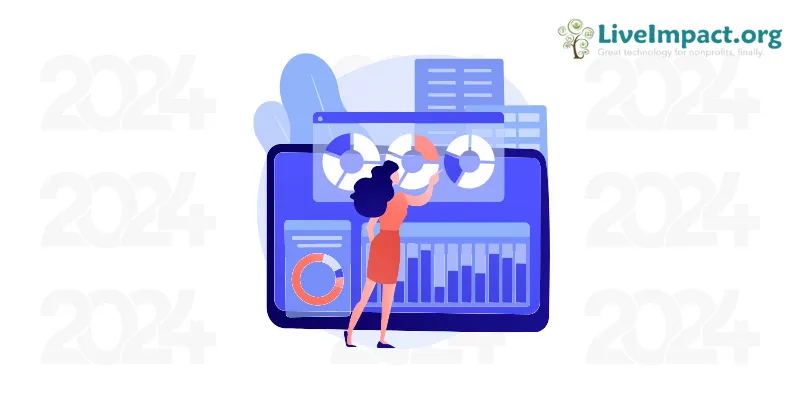
Demonstrating impact is crucial for nonprofits to secure funding and maintain credibility. In 2025, software solutions will place greater emphasis on impact measurement. Advanced reporting tools will help organizations track key performance indicators (KPIs), analyze program outcomes, and share results with stakeholders in visually compelling formats.
Dashboards will be customizable, allowing nonprofits to focus on metrics that matter most to their missions. These insights will not only improve transparency but also guide strategic planning and resource allocation.
LiveImpact’s software for nonprofits and impact measurement tools enable organizations to showcase their achievements effectively. Its intuitive dashboards and advanced analytics make it easier to track and share progress with stakeholders.
8. Affordable and Scalable Solutions for Small Nonprofits
While large nonprofits often have the resources to invest in sophisticated software, small organizations face budget constraints. Going forward, we expect to see more affordable, scalable solutions tailored for smaller nonprofits.
Subscription-based models, freemium options, and modular software will make it easier for these organizations to access the tools they need without overspending. Vendors will also focus on user-friendly interfaces and streamlined onboarding to ensure that even nonprofits with limited technical expertise can benefit from these tools.
LiveImpact’s scalable pricing options and intuitive interface make it an excellent nonprofit software choice for organizations of all sizes, particularly smaller ones looking to maximize their impact without stretching their budgets.
Preparing for the Future with LiveImpact’s AI Nonprofit Software
The nonprofit sector in the United States stands at the intersection of mission-driven work and technological innovation. By embracing advancements in software, organizations can overcome operational challenges, enhance donor engagement, and deliver greater impact. However, adopting new technologies requires strategic planning, staff training, and a willingness to adapt.
As we move through the year, nonprofits that stay ahead of these trends will be better equipped to fulfill their missions. Whether it’s leveraging AI for donor insights, embracing mobile-first platforms, or prioritizing data security, the future of such software promises exciting opportunities to drive meaningful change.
Nonprofits must remain proactive in evaluating and implementing these tools to ensure they stay competitive and relevant in an ever-changing landscape. The potential for technology to empower missions has never been greater, and the right software solutions—like those provided by LiveImpact’s AI nonprofit software—will undoubtedly play a pivotal role in shaping the future of the sector.