In the nonprofit world, few sectors are as complex and vital as healthcare. Organizations working in this space often juggle large caseloads, strict compliance requirements, sensitive client data, and the need to demonstrate measurable outcomes. For healthcare-focused nonprofits, choosing the right case management software isn’t just about streamlining workflows—it can directly impact the quality of care delivered and the organization’s overall effectiveness.
With so many software options available, each offering a different mix of features, integrations, and pricing models, the process of selecting the right solution can feel overwhelming. This guide breaks down what healthcare-focused nonprofits should consider when evaluating such software, helping you make an informed and confident choice.
Why Healthcare Nonprofits Need Specialized Case Management Software
Healthcare nonprofits often deal with a wide range of client needs—from chronic illness management to mental health support, substance use treatment, and social services. These services require careful documentation, consistent follow-up, and coordination between staff, clients, and often, third-party providers.
Generic software solutions might check some boxes, but they often fall short in areas that are critical to healthcare delivery, such as:
- Secure, HIPAA-compliant data handling
- Detailed health assessments
- Treatment plan tracking
- Cross-departmental collaboration
- Outcome reporting aligned with healthcare standards
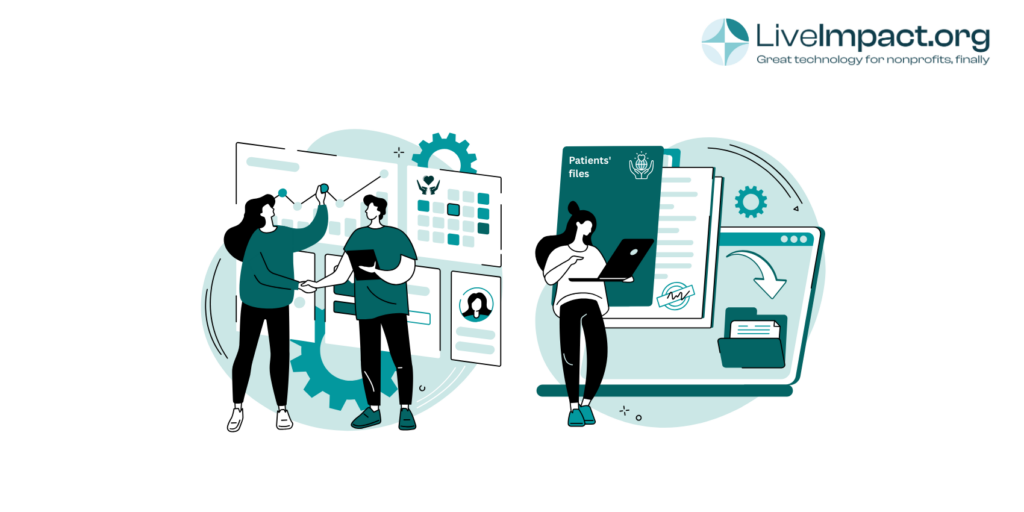
The best case management software tailored to healthcare nonprofits offers the tools needed to manage all these elements in one centralized platform.
Key Features to Look For in Case Management System
Not all platforms are created equal. When exploring your options, consider the following key features and how they align with your organization’s goals and workflows.
1. Secure, Compliant Data Management
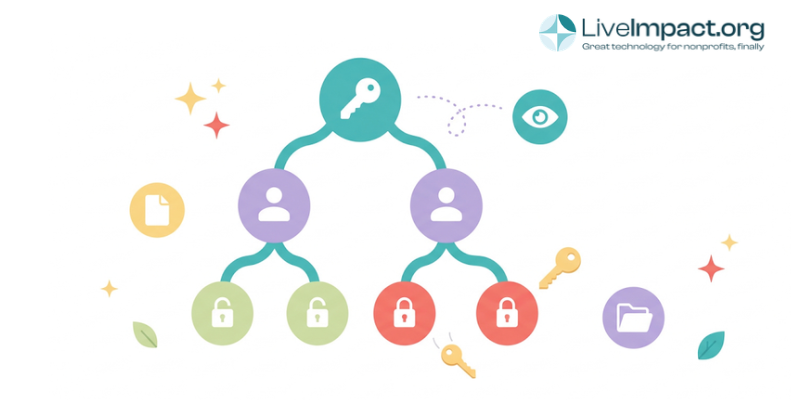
Security and compliance should be non-negotiable. Look for software that offers robust data encryption, multi-factor authentication, audit logs, and secure access controls. For healthcare nonprofits, HIPAA compliance is essential. Your chosen software should help ensure that your organization handles protected health information (PHI) appropriately.
2. Customizable Forms and Workflows
Every nonprofit has a unique process, especially in the healthcare space. The nonprofit case management software should allow you to create and modify intake forms, assessment tools, treatment plans, and follow-up processes. Customization reduces the need for workarounds and ensures your team isn’t stuck adjusting your workflow to fit the software.
3. Integrated Case Notes and Documentation
Efficient documentation is a pillar of good case management. The software should offer easy-to-use tools for entering case notes, uploading files, and categorizing documentation. Features like voice-to-text, tagging, and auto-save can further improve efficiency.
4. Outcome and Impact Tracking
Funders and stakeholders increasingly expect measurable results. Your software should make it simple to track and report on outcomes—whether you’re monitoring hospital readmission rates, vaccination follow-ups, behavioral health improvements, or other key performance indicators. Dashboards and customizable reports are especially helpful for visualizing progress and making data-driven decisions.
5. Multi-Program and Multi-Funder Management
Many healthcare nonprofits run multiple programs simultaneously—each with its own goals, eligibility criteria, and reporting needs. The best case management software will allow you to separate and manage these programs within one platform. It should also support grant reporting by funder, making compliance and accountability easier to maintain.
6. Interoperability with Other Systems
Healthcare nonprofits often rely on more than one software platform. Whether it’s an electronic health records (EHR) system, billing software, or a client communication tool, your case management platform should offer integration capabilities. Open APIs and pre-built integrations can make data sharing seamless and reduce double entry.
7. User Access Controls and Team Collaboration
Different team members need access to different parts of the system. Look for software that supports role-based access, allowing you to limit or grant access based on a user’s responsibilities. Collaboration tools like task assignments, messaging, and shared case histories help ensure no details fall through the cracks.
8. Mobile Accessibility
For caseworkers conducting site visits or working in the field, mobile access is essential. Cloud-based case management software that offer mobile-responsive interfaces or dedicated apps allow staff to enter information, pull up case files, and update notes on the go, increasing productivity and accuracy.
9. Training and Support
Even the most intuitive software requires some onboarding. Look for a provider that offers comprehensive training resources, live support, and ongoing customer service. Some vendors offer dedicated account managers or tailored onboarding sessions to help your team transition smoothly.
10. Scalability and Cost Transparency
Your needs today may not be the same five years from now. Choose a platform that can grow with your organization—adding new users, programs, or features without major disruption. Pricing transparency is also important. Understand what’s included in your subscription, whether there are usage limits, and how fees change as you scale.
Questions to Ask During the Evaluation Process
Once you’ve shortlisted a few nonprofit case management software options, take the time to engage with vendors directly. Schedule demos, ask detailed questions, and consider involving multiple members of your team. Here are some useful questions to guide your conversations:
- How does your software support HIPAA compliance?
- Can we customize forms and assessments ourselves?
- What kind of outcome reports can we generate?
- How often do you release updates or new features?
- What integrations do you currently support?
- What does onboarding and training look like?
- Is there a mobile version or app?
- How do you handle data migration from our existing system?
Involve Your Team Early
A successful case management software implementation depends on user buy-in. Involve your staff early in the selection process—especially those who will use the software daily. Gather feedback on pain points with your current system and what features they’d like to see improved. Their input can highlight real-world needs that might not be obvious at the leadership level.
Make the Decision with Long-Term Impact in Mind
It’s easy to be swayed by a sleek interface or flashy features, but remember that this is a long-term investment. Focus on how the software will improve service delivery, reduce administrative burden, and support your mission to improve health outcomes. The top case management system will empower your team to spend more time with clients and less time managing spreadsheets or jumping between disconnected tools.
Final Thoughts
Selecting the right software for your healthcare-focused nonprofit is a significant decision—one that affects your team, your clients, and your long-term sustainability. By identifying your priorities, understanding the features that matter most, and involving your team in the process, you can choose a system that enhances your work rather than complicates it.
Technology should serve your mission, not the other way around. With the best case management software in place, your organization will be better equipped to meet the growing demands of healthcare services while staying grounded in compassionate, client-centered care.