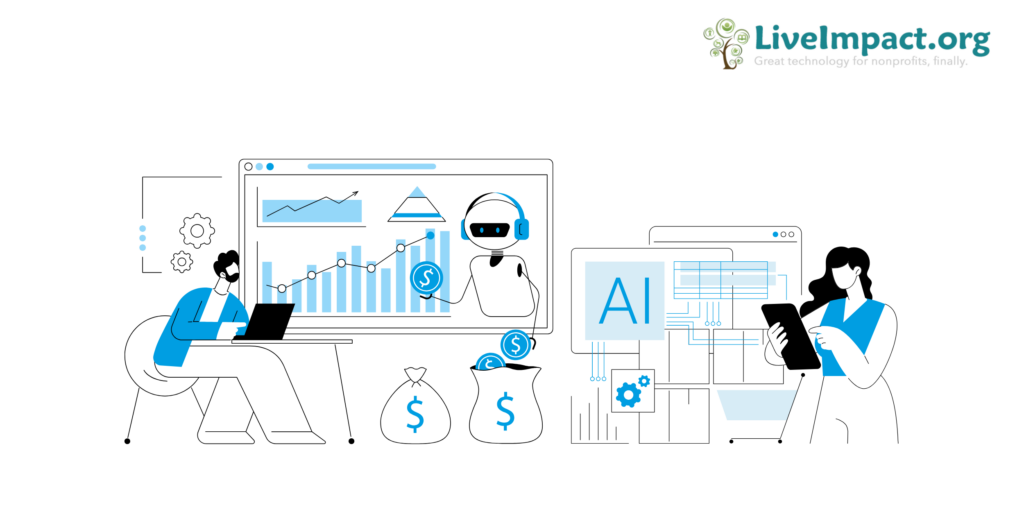
For nonprofits, managing large amounts of client data, tracking case progress, and making informed decisions can be overwhelming, especially for organizations with limited resources. The good news is—AI (Artificial Intelligence) and predictive analytics are transforming nonprofit case management. By leveraging technology, nonprofits can streamline operations, improve decision-making, and provide more proactive support to those in need. In this blog, we’ll explore how AI-powered case management software and predictive analytics are shaping the future of nonprofit service delivery.
The Role of Case Management System in Nonprofits
This digital solution is designed to help nonprofits in the following ways:
- Track and manage client data efficiently
- Automate administrative tasks such as documentation and reporting
- Improve service coordination between departments
- Ensure compliance with regulations and funding requirements
- Measure impact and generate reports for stakeholders
Traditionally, nonprofit case management relied on manual data entry and fragmented systems, which led to inefficiencies and errors. Today, AI-powered solutions are changing how nonprofits operate, making service delivery smarter, faster, and more data-driven.
How AI-Powered Nonprofit Case Management Software is Revolutionizing Operations
AI is no longer a futuristic concept—it’s actively reshaping the way nonprofits analyze data, engage with clients, and optimize workflows. Here’s how:
1. Automating Routine Tasks
Nonprofit staff often spend hours on repetitive tasks like data entry, scheduling, and compliance documentation. AI-driven software automates these processes, freeing up valuable time for caseworkers to focus on meaningful client interactions.
For example:
- AI chatbots can assist with client intake by collecting information through automated forms.
- Automated alerts can remind caseworkers about follow-ups and compliance deadlines.
By eliminating repetitive work, AI reduces burnout among nonprofit staff and allows them to provide more personalized support to beneficiaries.
2. Enhancing Decision-Making with Predictive Analytics
One of the most powerful aspects of the best case management software for nonprofits is predictive analytics—a technology that uses past data patterns to anticipate future trends and help nonprofits make proactive decisions.
For example:
- AI can predict which clients are at high risk of dropping out of a program based on past engagement levels.
- Predictive models can identify which types of interventions have the highest success rates for different demographics.
- Funding allocation can be optimized by analyzing which services yield the best long-term impact.
By leveraging predictive analytics, nonprofits can shift from a reactive approach (responding to crises as they arise) to a proactive approach (preventing issues before they escalate).
3. Improving Client Engagement and Personalized Support
Every nonprofit serves a diverse group of individuals, each with unique needs. AI-powered nonprofit case management software analyzes client data to offer personalized recommendations and interventions.
For example:
- If a homeless shelter sees a trend where certain clients frequently return, AI can suggest more targeted support programs, such as job training or mental health counseling.
- If an at-risk youth program notices that engagement drops after six months, predictive analytics can help adjust the program structure to improve retention.
- AI-driven chatbots can provide 24/7 support to clients, answering common questions and directing them to the right resources.
This personalized approach ensures that nonprofits deliver the right services at the right time, increasing client satisfaction and long-term impact.
4. AI Chatbots for Instant Data Insights
Instead of manually running complex reports, AI-powered chatbots are making it easier for nonprofit teams to access critical data insights in real time. By simply asking the chatbot questions, caseworkers can retrieve key metrics instantly.
For example:
- Quick Queries – Ask, “How many clients received housing assistance this month?” or “What is the dropout rate for our mentorship program?” and get instant answers.
- Eliminating Manual Reports – No need to navigate dashboards or compile data manually—chatbots fetch insights within seconds.
- Faster Decision-Making – Access real-time analytics to track program outcomes, identify service gaps, and forecast needs efficiently.
These AI-driven virtual assistants streamline data analysis, making nonprofit case management more efficient and user-friendly.
The Benefits of AI and Predictive Analytics for Nonprofits
By integrating AI and predictive analytics into case management, nonprofits gain several key benefits:
1. Increased Efficiency
- The best case management software for nonprofits reduces time spent on administrative tasks
- Automates data entry and reporting
- Streamlines communication between teams
2. Data-Driven Decision-Making
- Provides insights into client needs and program effectiveness
- Helps nonprofits allocate resources more effectively
- Enables predictive risk assessment to prevent crises
3. Enhanced Service Delivery
- Improves response times with AI-powered automation
- Ensures personalized care through client data analysis
- Offers real-time recommendations for better case management
4. Greater Transparency and Accountability
- AI-generated reports provide clear insights for funders and stakeholders
- Predictive analytics ensure better tracking of program outcomes
- Compliance with data protection regulations is easier with automated security measures
Challenges and Considerations
While modern nonprofit case management software offer numerous benefits, organizations must address potential challenges to ensure a smooth transition:
1. Data Privacy and Security
Nonprofits handle sensitive client information, making data security a top priority. Implementing strong encryption, access controls, and compliance measures is essential.
2. Implementation Costs
AI-driven software can be a major investment. However, many providers offer scalable solutions and grant funding opportunities to help nonprofits adopt new technology.
3. Staff Training and Adaptation
AI is only effective if staff know how to use it. Training caseworkers and leadership on how to interpret AI-generated insights is crucial for successful implementation.
4. Ethical Considerations
AI should complement, not replace, human decision-making. Ensuring ethical AI usage, free from biases, is essential to maintaining fair and inclusive service delivery.
LiveImpact: The Future of Nonprofit Case Management
Nonprofits looking to streamline case management and improve service delivery can greatly benefit from LiveImpact, an integrated case management software designed specifically for mission-driven organizations.
LiveImpact helps nonprofits track client interactions, manage case histories, and automate workflows, allowing caseworkers to focus on what matters most—helping people. With its AI-driven predictive analytics, organizations can identify at-risk clients, anticipate service needs, and make data-backed decisions to enhance program effectiveness.
Key benefits of LiveImpact’s case management software include:
- Automated Workflows – Reduce manual data entry and administrative tasks
- Real-Time Insights – AI-powered analytics help predict client needs and program outcomes
- Secure and Scalable – Ensures data privacy while growing with your organization’s needs
- Seamless Integration – Connects with fundraising, volunteer management, and reporting tools
By leveraging AI and predictive analytics, LiveImpact enables nonprofits to shift from reactive case management to proactive, impact-driven service delivery. Whether your organization supports homeless services, healthcare, or education, this software helps you optimize resources, engage clients effectively, and measure success with real-time reporting.
Final Thoughts
AI and predictive analytics are revolutionizing case management, making service delivery more efficient, data-driven, and proactive. While challenges like data security, ethical considerations, and implementation costs must be addressed, the long-term benefits far outweigh the hurdles.
The future of nonprofit case management is not just about managing cases—it’s about transforming lives with nonprofit software that are smarter, more effective solutions. For nonprofits ready to embrace AI-driven nonprofit case management software, the time to act is now. The future isn’t just coming—it’s already here.